




























In recent years, the landscape of entertainment consumption has undergone a seismic shift, prompting a reevaluation of traditional viewing platforms. The advent of streaming services has revolutionized how audiences access films, offering unparalleled convenience and a vast array of choices at the click of a button. As platforms like Netflix, Disney+, and Amazon Prime Video continue to dominate, the question arises: are movie theaters becoming obsolete in this new age of digital streaming? This article delves into the evolving dynamics between streaming services and traditional cinemas, examining industry trends, consumer preferences, and the broader implications for the future of film exhibition. By exploring both the challenges faced by theaters and the enduring appeal of the cinematic experience, we aim to provide a comprehensive analysis of whether movie theaters can coexist with, or are being overshadowed by, their digital counterparts.
Impact of Streaming Services on Traditional Cinemas
The rapid rise of streaming services has undeniably reshaped the landscape of entertainment consumption, presenting both challenges and opportunities for traditional cinemas. Streaming platforms like Netflix, Amazon Prime, and Disney+ offer unparalleled convenience, allowing audiences to access a vast array of films from the comfort of their homes. This shift in consumer behavior has led to a noticeable decline in cinema attendance, prompting industry stakeholders to rethink their strategies.
- Convenience: The ability to watch movies anytime, anywhere is a significant draw for audiences.
- Cost: Subscriptions often cost less than a single cinema ticket, offering more value for money.
- Content Variety: Streaming services provide a diverse selection of films and series, catering to niche tastes.
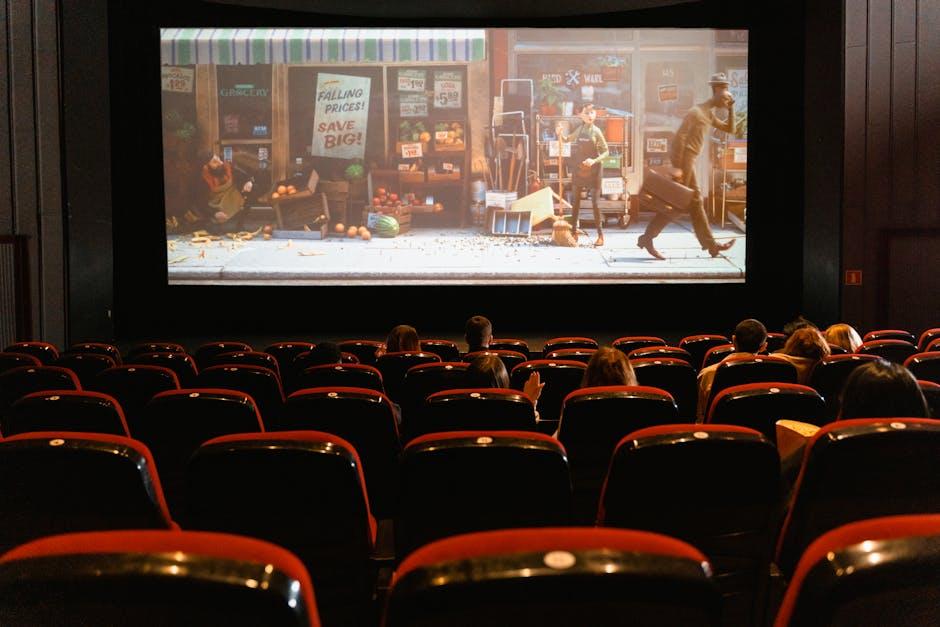
Despite these advantages, traditional cinemas continue to hold a unique appeal through immersive experiences that streaming services cannot replicate. The social aspect of movie-going, the allure of the big screen, and the surround sound experience are elements that keep theaters relevant. Moreover, some filmmakers and studios still prefer theatrical releases to preserve the cinematic experience, creating a symbiotic relationship between the two mediums.
Analyzing Audience Preferences and Viewing Habits
Understanding the evolving landscape of audience preferences and viewing habits is crucial in assessing the relevance of movie theaters today. Streaming platforms offer the convenience of accessing a vast library of content from the comfort of one’s home, which has become a significant factor in shaping viewer behavior. Recent surveys and studies have shown a trend towards the following:
- On-Demand Access: Viewers appreciate the flexibility of choosing what and when to watch, without being bound by a theater schedule.
- Cost-Effectiveness: Subscription models often provide a more economical alternative to purchasing individual theater tickets.
- Content Variety: Streaming services offer diverse genres and niche content that might not be available in traditional theaters.
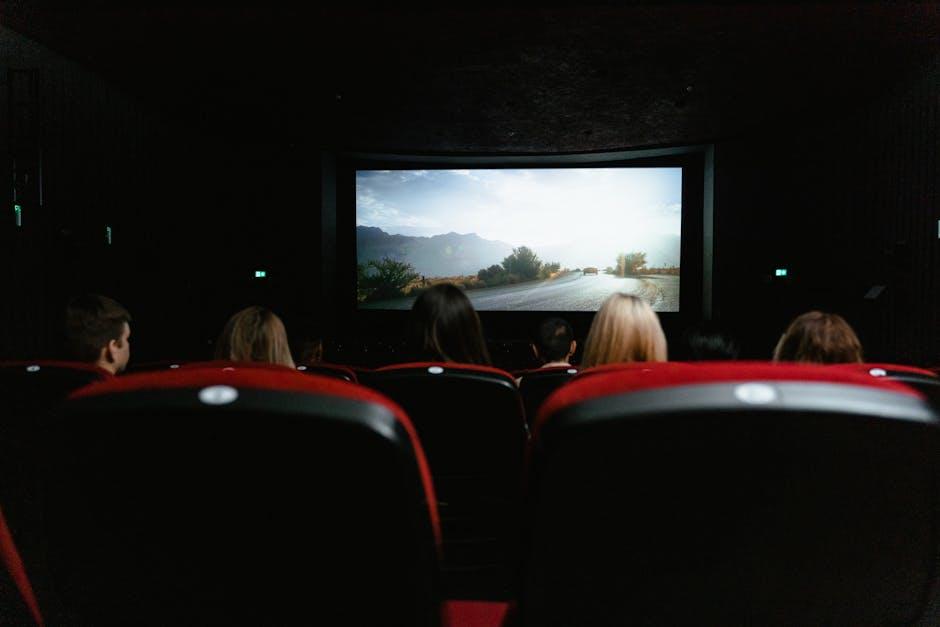
However, it’s essential to consider that the cinematic experience still holds value for many. The immersive atmosphere, superior sound quality, and large screens provide a communal and sensory experience that streaming cannot replicate. Thus, while streaming is undoubtedly shaping viewing habits, there remains a dedicated audience for the unique experience that theaters offer.
Challenges and Opportunities for Movie Theaters
The film exhibition industry faces a dual landscape, marked by significant challenges and emerging opportunities. On one hand, the proliferation of streaming services has undeniably altered consumer habits. Convenience, cost-effectiveness, and a vast array of choices have lured audiences to the comfort of their homes, creating a formidable competition for traditional theaters. This shift has led to a decrease in foot traffic, compelling theaters to rethink their value proposition in an increasingly digital world.
- Technological Advancements: Embracing cutting-edge technology such as IMAX, 3D, and 4D experiences can create a unique draw that streaming platforms cannot replicate.
- Experiential Offerings: Theaters can focus on providing enhanced experiences through luxury seating, gourmet dining options, and themed events to attract moviegoers.
- Community Engagement: Hosting community events, film festivals, and collaborations with local artists can reinforce their position as cultural hubs.
While the challenges are substantial, these avenues offer theaters a chance to redefine themselves and remain relevant. By leveraging their unique strengths and embracing innovation, they can transform these hurdles into pathways for growth.

Strategies for Cinemas to Thrive in the Digital Era
In the rapidly evolving landscape of digital entertainment, cinemas must adopt innovative strategies to remain relevant and appealing to audiences. One effective approach is embracing enhanced experiential offerings. By investing in state-of-the-art technology, such as IMAX and 4DX, cinemas can provide immersive experiences that are difficult to replicate at home. Additionally, creating themed events or screenings can transform a movie outing into a unique event. This might include hosting Q&A sessions with filmmakers or themed nights that cater to specific fan communities.
Another key strategy is to foster a sense of community and exclusivity. Cinemas can introduce membership programs that offer benefits like discounted tickets, early access to new releases, or exclusive screenings. Moreover, leveraging partnerships with local businesses or artists can create a symbiotic relationship that enriches the cinema experience. Consider the following approaches:
- Collaborate with streaming services for exclusive early screenings.
- Utilize data analytics to tailor offerings to audience preferences.
- Expand into multi-use spaces, such as hosting live events or gaming tournaments.
By reimagining the cinema experience and integrating digital trends, theaters can carve out a niche that both complements and contrasts the convenience of streaming services.