


























In the digital age, where content creation and consumption are at an all-time high, the synchronization of audio and video has become a crucial aspect of media production. Whether you’re a budding filmmaker, a seasoned podcaster, or a video editor aiming for perfection, mastering the art of audio and video sync can elevate the quality of your work significantly. This advanced guide is designed to provide you with a comprehensive understanding of the techniques and tools necessary to achieve seamless synchronization. From the fundamental principles to the latest software solutions, we will explore the intricacies of aligning sound and visuals, ensuring your projects deliver a professional and immersive experience. Whether you’re addressing minor discrepancies or tackling complex sync challenges, this guide will equip you with the knowledge and skills needed to enhance your audio-visual projects effectively.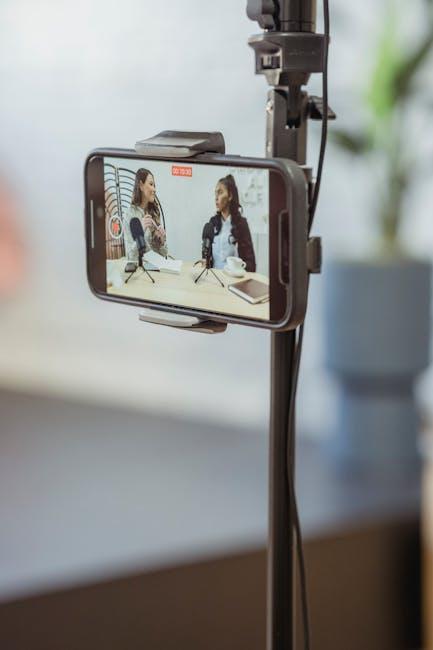
Understanding Audio and Video Sync Fundamentals
When diving into the intricacies of aligning sound and visuals, it’s crucial to grasp the foundational elements that ensure seamless synchronization. Latency, frame rate, and bitrate are pivotal factors that can make or break your audio-video harmony. Latency refers to the delay between input and output signals, and minimizing this is key to achieving perfect sync. Adjusting the frame rate to match your audio can prevent unwanted lags or mismatches, ensuring that the movement on screen aligns perfectly with the corresponding sound.
- Latency: Optimize your equipment and software settings to reduce delay.
- Frame Rate: Ensure the video frame rate matches the audio sample rate.
- Bitrate: Use consistent bitrates to maintain quality and sync integrity.
Another essential consideration is the processing power of your setup. Ensure your hardware can handle the demands of real-time processing, as this will help in maintaining the synchronization throughout the playback. By focusing on these core elements, you can lay a strong foundation for achieving a flawless audio-video experience, elevating the quality of your content delivery.
Choosing the Right Software and Tools for Perfect Synchronization
In the realm of audio and video synchronization, selecting the right software and tools is crucial to achieving seamless integration. It’s essential to opt for software that supports a wide range of formats and offers robust features like frame-by-frame editing and automatic syncing capabilities. Professional video editing software such as Adobe Premiere Pro, Final Cut Pro, or DaVinci Resolve provide advanced tools that can help you meticulously align your audio and video tracks. Additionally, consider using specialized audio editing software like Audacity or Logic Pro X for precise audio adjustments and enhancements.
When choosing your tools, ensure they offer user-friendly interfaces and comprehensive tutorials to shorten the learning curve. Look for features such as:
- Multi-track editing for handling complex projects
- Time-stretching and pitch-shifting options to match audio speed with video
- Waveform visualization for precise audio adjustments
- Integration capabilities with other software and plugins
Remember, the best tool is one that not only meets your technical needs but also enhances your creative workflow.

Step-by-Step Process for Achieving Seamless Audio-Video Sync
To ensure your audio and video remain perfectly synchronized, follow this meticulous approach. Begin by capturing high-quality audio and video separately. This allows for greater control during the editing phase. Use a clapperboard or a simple clap at the start of each recording to create a visual and auditory marker, facilitating alignment later on.
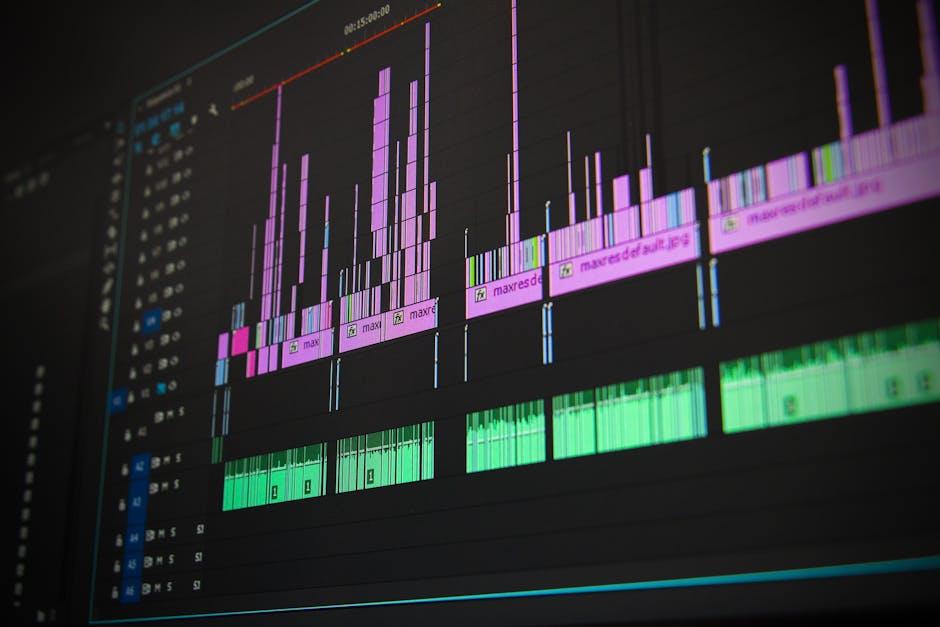
In the editing suite, import both audio and video files. Utilize editing software features such as the waveform display to match the audio peaks with the visual clap marker. This step is crucial for precision. Once aligned, consider using the following techniques for maintaining sync:
- Locking Tracks: Secure the audio and video tracks together to prevent accidental misalignment.
- Frame Rate Consistency: Ensure both media are set to the same frame rate to avoid drift.
- Software Plugins: Use specialized plugins designed to automatically sync audio and video.
After synchronizing, conduct a thorough playback check. Listen and watch for any discrepancies, especially in dialogue-heavy sections. Adjust as necessary until the sync is flawless. export your project in a format that supports high-quality playback to maintain sync integrity across various platforms.
Troubleshooting Common Sync Issues and Expert Tips
Syncing audio and video can sometimes be fraught with challenges, but understanding the root causes can simplify troubleshooting. First, ensure that both audio and video sources are recorded at the same frame rate. Mismatched frame rates are a common culprit in sync issues, leading to gradual drift over time. If you notice a consistent lag or lead, adjust the timing in your editing software by using audio slip or video nudge features to fine-tune alignment. Additionally, keep your software and hardware drivers up to date to prevent any incompatibility issues.
Here are some expert tips to streamline the process:
- Check for background processes: Close unnecessary applications that might be hogging system resources and affecting sync performance.
- Utilize external tools: Consider using dedicated sync tools like PluralEyes for complex projects requiring precise synchronization.
- Use markers: During recording, clap or use a visual cue to create an easy reference point for aligning audio and video tracks.
- Test your setup: Regularly test your audio and video setup before recording to catch any potential sync issues early.
Mastering these techniques will ensure your audio and video are perfectly in sync, delivering a seamless experience to your audience.