





























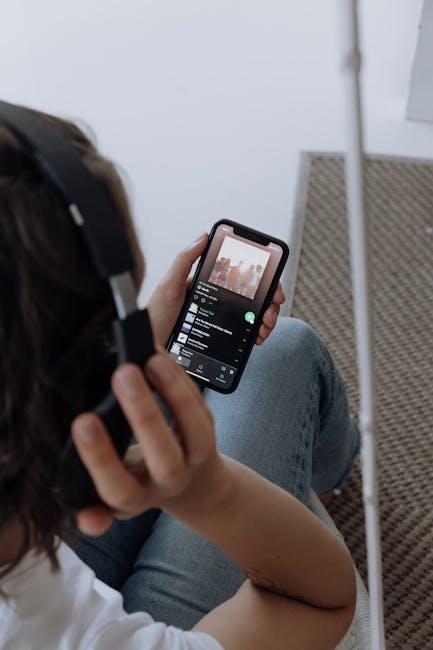
In today’s digital age, streaming services have revolutionized the way we consume media, offering unprecedented access to a vast array of content at our fingertips. As these platforms continue to grow and evolve, a pressing question emerges: should streaming services offer more ways to customize viewing experiences? This article delves into the current landscape of streaming services, examining the potential benefits and drawbacks of increased customization options. By exploring user preferences, technological advancements, and industry trends, we aim to provide a comprehensive overview of how personalized viewing could shape the future of entertainment consumption.
Exploring Current Customization Options on Streaming Platforms
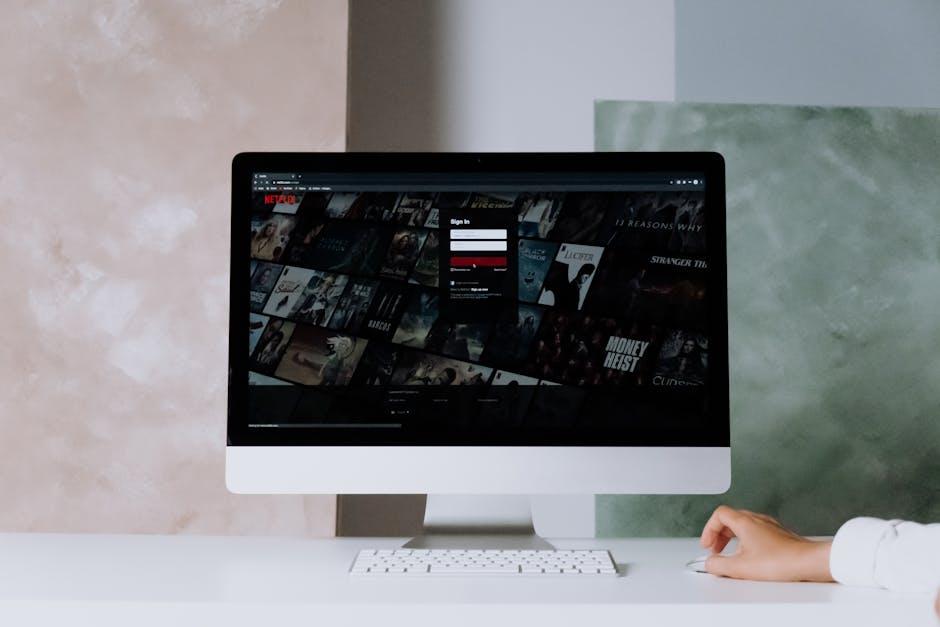
In the current landscape of streaming platforms, customization options have become a crucial element in enhancing user experience. Services like Netflix, Amazon Prime, and Disney+ offer various features aimed at personalizing content delivery. User profiles allow households to maintain separate viewing histories and recommendations. Watchlists provide a simple way to save content for later, while content filtering options enable viewers to sort through genres, languages, and ratings. Despite these features, the scope for customization remains somewhat limited.
As users become more accustomed to tailored experiences, the demand for more sophisticated customization tools grows. Streaming platforms might consider introducing features like theme-based interfaces, customizable avatars, and enhanced parental controls to further refine their offerings. Ultimately, the balance between algorithm-driven suggestions and user-controlled settings will define the future of streaming customization.

Analyzing User Preferences and Demand for Personalized Content
Understanding the intricate tapestry of user preferences is crucial for streaming services aiming to deliver personalized content effectively. By analyzing viewing habits, platforms can discern patterns that indicate demand for certain types of customization. This involves examining data such as:
- Viewing Time: When do users typically watch content, and how does this affect their content choices?
- Genre Preferences: Are there specific genres that see higher engagement, and how do these preferences shift over time?
- Device Usage: What devices are users favoring for streaming, and does this influence their desire for personalization?
In addition to quantitative data, qualitative insights gathered from user feedback can reveal deeper motivations behind these preferences. Streaming services can leverage this information to offer more refined customization options, such as personalized playlists, tailored recommendations, and customizable user interfaces. By aligning content offerings with user expectations, platforms can not only enhance user satisfaction but also increase viewer retention and engagement.
Evaluating the Impact of Enhanced Customization on User Experience
In the realm of streaming services, enhanced customization holds the potential to significantly transform user experience. By allowing viewers to tailor their viewing environment and content preferences, these platforms can create a more personalized and engaging experience. Some potential areas for customization include:
- Interface Design: Options for users to modify themes, layout, and navigation can make the interface more intuitive and visually appealing.
- Content Recommendations: Utilizing advanced algorithms to refine suggestions based on viewing habits, mood settings, or even time of day can increase viewer satisfaction.
- Audio and Subtitles: Offering a broader range of languages, dialects, and subtitle customization can cater to a diverse audience.
- Viewing Modes: Features such as picture-in-picture, variable playback speed, or customizable playlists could enhance the control users have over their viewing experience.
These enhancements not only cater to diverse audience preferences but also foster a sense of ownership and connection with the platform. As the demand for personalized content grows, streaming services that effectively integrate these features are likely to see increased user engagement and loyalty.
Recommendations for Streaming Services to Improve Customization Features
To enhance the user experience, streaming services could focus on developing more advanced customization features that cater to individual preferences. Here are some suggestions:
- Personalized Playlists: Allow users to create and share playlists not just for music, but for movies and TV shows as well. This could be enhanced with options to follow friends’ playlists or curated lists from influencers and experts.
- Theme-Based Browsing: Implement a feature that lets users explore content based on specific themes or moods. This could involve curating collections around particular genres, directors, or actors, providing a more tailored viewing experience.
- Customizable User Profiles: Offer more flexibility in user profiles, allowing for custom avatars, themes, and even personalized recommendations based on specific interests selected by the user.
- Advanced Notification Settings: Introduce customizable notification options so users can choose to be alerted about new releases, upcoming episodes, or special offers relevant to their viewing habits.
By implementing these customization features, streaming services can provide a more engaging and personalized experience, potentially increasing user satisfaction and retention.