






























To enhance streaming quality, connect your device directly to the router using an Ethernet cable. This reduces interference and provides a stable, faster connection compared to Wi-Fi, ensuring smoother playback and fewer interruptions.

To set up a streaming stick on an older TV, connect the stick to the HDMI port. If your TV lacks HDMI, use an HDMI-to-RCA converter. Plug in the stick's power source, switch the TV input, and follow the on-screen instructions to connect to Wi-Fi.

Discover top streaming sticks for high-quality video playback. Explore options like Roku, Amazon Fire Stick, and Google Chromecast, each offering seamless streaming, 4K support, and user-friendly interfaces to enhance your viewing experience.

Streaming technology is advancing rapidly, often outpacing consumers' ability to adapt. While innovation brings benefits, it also presents challenges in keeping up with new devices, platforms, and subscription models.

The debate on whether streaming devices should support all platforms equally centers on consumer choice and market competition. Advocates argue for accessibility, while opponents cite innovation and platform-specific optimization challenges.

To enhance your home Wi-Fi for 4K streaming, position your router centrally, update firmware regularly, and use a dual-band router. Consider Wi-Fi extenders for larger spaces and limit interference from other devices for optimal performance.
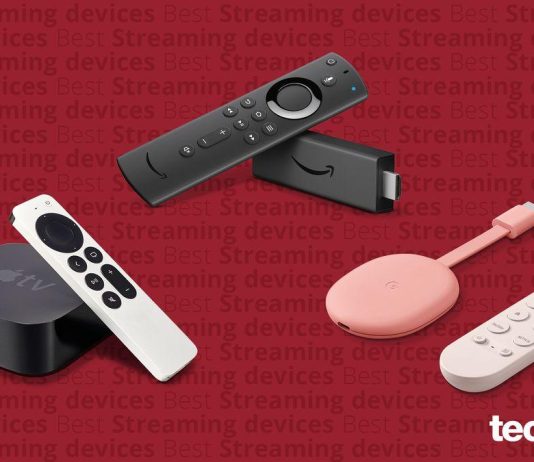
To troubleshoot streaming devices that keep buffering, first check your internet connection speed. Restart your router and device, clear the cache, and reduce the number of connected devices to improve performance.

To optimize your TV's resolution for streaming movies, first adjust the picture settings to match the native resolution. Enable HDR if available, and ensure your internet speed supports high-definition streaming for the best experience.

Learn how to set up parental controls on streaming devices to ensure a safe viewing experience for your family. Adjust content restrictions, set PINs, and manage profiles easily with our step-by-step guide.

Buffering can stem from both device limitations and network issues. Device factors include outdated hardware and insufficient memory, while network problems often involve low bandwidth or high traffic. Identifying the cause is key to resolving the issue.